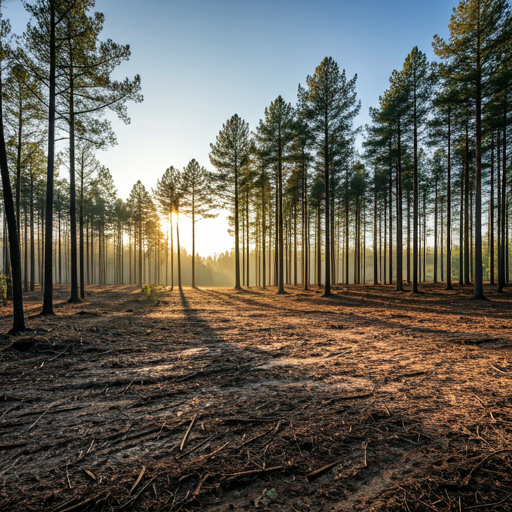
Brush Fire Risk and Land Clearing in Granbury, TX
Why Hood County summers raise brush-fire awareness
North Texas summers bring triple-digit heat, dry grass, and long spells between soaking rains. Hood County is not West Texas chaparral country, but rural Acton acreage, cedar-choked fence lines, and wooded pockets along Lake Granbury still carry fuel that can carry a grass or brush fire when humidity drops and wind picks up. Homeowners on ranch tracts and lake woodlands often notice the risk first on fence rows, road frontage, and understory that has not been touched in years.
Preparedness here is less about fear and more about fuel reduction — reducing the amount of dry vegetation that can burn quickly near structures, driveways, and utility paths. Texas A&M Forest Service publishes community wildfire preparedness guidance that applies to many Texas counties, including strategies landowners can adopt before fire season peaks.
How brush fires typically start in this area
Grass fires along county roads, sparks from equipment hitting rock or metal debris, unattended burn piles during wrong conditions, and power-line events during windstorms appear in local fire reports more often than remote wilderness infernos. Cedar and mesquite regrowth along property lines creates ladder fuels — low brush that lets fire climb into taller timber.
Lake-area owners also deal with storm debris piles and seasonal leaf drop near docks and boathouses. Keeping those fuels away from structures and maintaining clear access for emergency vehicles are practical steps that complement mechanical clearing.
What land clearing and mulching actually change
Forestry mulching, selective clearing, and fence-line maintenance remove standing brush and understory that would otherwise dry into fine fuel. A well-planned pass can open defensible space around a homesite, improve visibility for maintenance, and create breaks along driveways or pasture edges. That does not fireproof a property — it can reduce how fast fire moves through untreated vegetation near places you care about.
Mulch-in-place methods leave chips on the soil surface. That layer can help erosion on slopes but still requires follow-up: mow regrowth, rake heavy chip piles away from structures, and plan seasonal touch-ups before peak summer heat. Haul-off or grubbing produces a cleaner mineral surface when you are preparing a pad or need bare ground for inspection — different goals, different follow-up.
Defensible space on lake lots and ranch parcels
Think in zones: keep immediate areas around structures, propane tanks, and wood storage free of stacked debris and overhanging limbs. Maintain mowed or cleared breaks along fence lines shared with thick cedar. On acreage buys in Acton or Paluxy River corridors, prioritize access — can a fire truck reach your driveway if grass is waist-high after a dry May?
Selective take-out preserves shade trees while removing invasive cedar thickets that crowd understory. Document what you removed and what you kept; future buyers and insurers appreciate a maintenance story backed by photos. Pair clearing with sensible storage of lumber, RV covers, and outdoor furniture away from brush edges.
Burn bans and outdoor burning rules
Outdoor burning in Texas is sensitive to county burn bans, wind, and local fire marshal guidance. Hood County and neighboring jurisdictions can restrict pile burning even when mechanical clearing continues. Dry summer months and windy lake-front days are common pause windows for open flame — confirm current status before any burn-dependent scope.
This guide is informational, not legal advice. Your clearing contractor should confirm burn-ban status and whether your address needs city, county, or HOA notice before work starts. Mechanical clearing avoids open flames but still requires spark awareness when grinding hits rock, wire, or metal hidden in brush.
When to request clearing quotes for fire preparedness
Consider quotes when you are buying raw acreage, reopening pasture after years of neglect, preparing a lot before construction, or responding to post-storm debris along fence lines. Seasonal maintenance before summer heat often costs less than emergency work after a near-miss. Photos of thickest brush, gate width, and slope notes help operators price mulching versus haul-off realistically.
Requesting multiple quotes clarifies finished ground conditions — mulch depth, stump height, and whether follow-up mowing is included — so fuel reduction matches what you expect when Hood County temperatures climb again.